
You’re standing outside a tattoo shop on a random Tuesday afternoon. Your friend just canceled lunch plans, and suddenly you’re wondering if today could finally be the day you get that tiny lightning bolt on your wrist.
But here’s what stops you: Do they even take walk-ins?
The short answer is yes, many shops do. But walking in without knowing what to expect is like showing up to a restaurant five minutes before closing. You might get served, but you’ll probably wish you’d planned better.
Here’s some info that’ll help you decide if walking in is the right move for your next tattoo.
When Walk-Ins Work (And When They Don’t)
Walk-ins are widely available at shops across the country, including right here in Austin. But success isn’t guaranteed just because you show up.
Most shops welcome walk-ins for:
- Small, simple designs under one hour
- Flash tattoos (those pre-designed sheets on the wall)
- Spontaneous pieces like symbols or text
- Quick matching tattoos with friends
You’ll typically need an appointment for:
- Custom designs requiring consultation
- Large pieces taking multiple sessions
- Detailed work from specific artists
- Complex color or shading
At Platinum Ink Tattoo & Body Piercing, we’ve helped many Austin clients with both walk-ins and scheduled sessions since 2002. What we’ve noticed is that people who understand how walk-ins work tend to have much better experiences than those who just hope for the best.
Think of it this way: Walk-ins fill the gaps in an artist’s schedule. If you’re flexible about design and timing, you’re golden. If you have a specific vision that needs a specific artist, booking ahead makes more sense.
What Really Determines If You’ll Get Tattooed Same-Day
Three factors control your walk-in fate: artist availability, design complexity, and shop policies.
Here’s what typically happens behind the counter when you walk in. The shop checks which artists have time, matches your design to their specialties, and estimates how long it’ll take. A 2-inch flash piece? You’re probably good. A detailed custom portrait? That’s a different story.
The industry has shifted toward what’s called a hybrid model in 2025. Shops blend spontaneous walk-in sessions with booked appointments to keep things moving. This works great on slower weekdays but can mean longer waits on Fridays and Saturdays when everyone has the same idea.
Timing matters more than most people realize:
- Early arrivals (right when shops open, often around 11 a.m.) have the best shot
- Mid-week days see fewer walk-ins than weekends
- Holidays and special events (like Friday the 13th flash days) get packed fast
- Late afternoons on weekdays offer solid opportunities
If you’re serious about getting inked same-day, calling ahead takes 30 seconds and saves you from wasting a trip. Ask if they have walk-in availability for your design size and whether specific artists are working.
How to Prepare So You Actually Get Tattooed
Showing up prepared separates people who get tattooed from people who get turned away.
Before you leave home:
- Bring valid government-issued ID (you must be 18 or older, no exceptions)
- Have a clear design idea or reference photo
- Wear comfortable clothes that expose the area you want tattooed
- Eat a solid meal and stay hydrated
- Skip alcohol or blood thinners for 24 hours before
Cash used to be king, but most shops now take cards or digital payments. Still, having some cash doesn’t hurt for tips.
For design prep, high-resolution images work better than sketches drawn on napkins. If you’re choosing flash, scroll through shop Instagram pages beforehand to see what styles they offer. At shops throughout Austin, you’ll find everything from traditional American to fine-line botanicals and minimalist pieces that suit walk-in formats perfectly.
What to expect when you arrive:
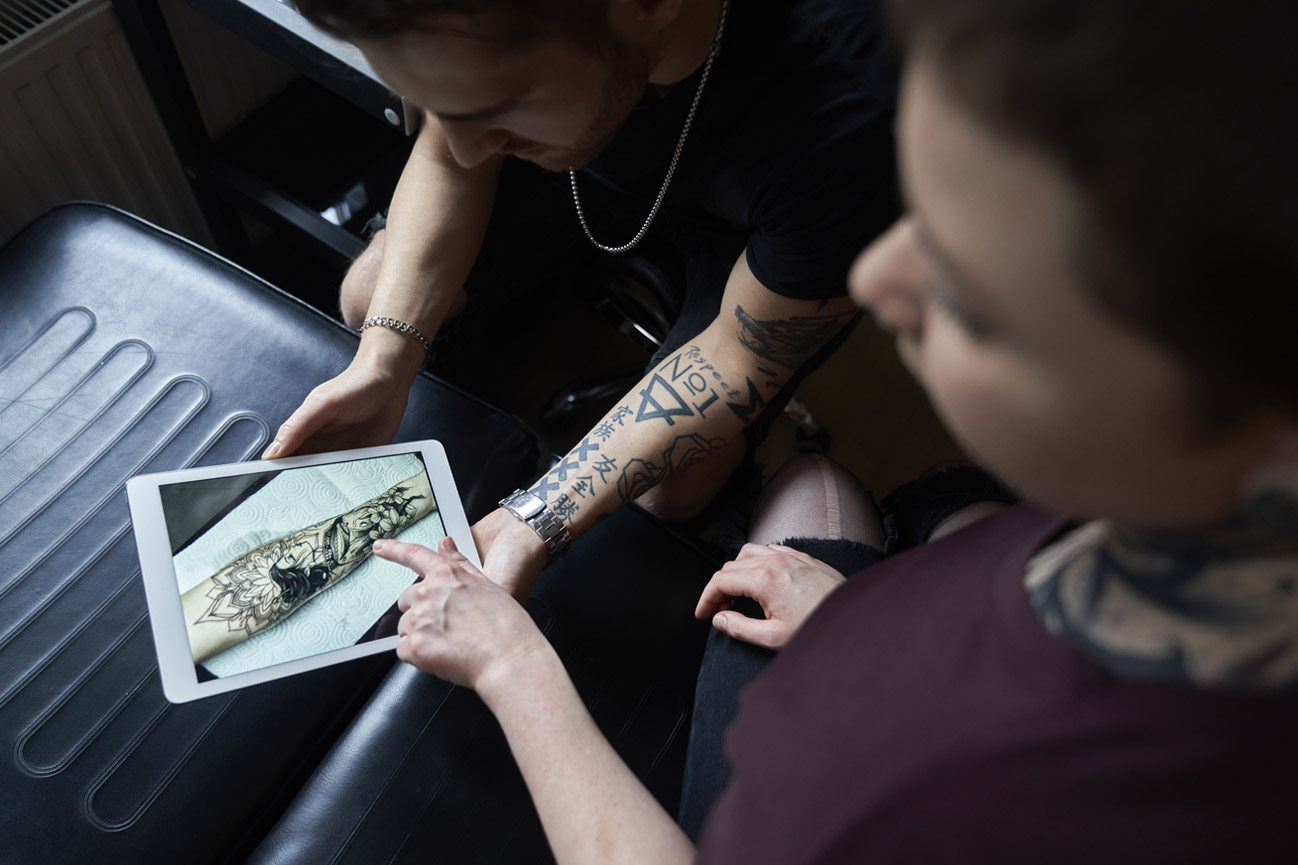
- A consultation with the available artist about your design
- Possible modifications if your idea needs adjustment
- Wait time ranging from immediate to a couple hours on busy days
- A consent form covering health history and aftercare
- Clear pricing based on size and complexity
Here’s something that catches people off guard: Even if an artist is available, they might suggest changes to your design. This isn’t them being difficult. It’s them making sure the tattoo actually works on your body and lasts well over time.
Questions You Should Ask Before Saying Yes
Don’t just nod along during consultation. These questions protect you and set clear expectations.
Ask about the artist:
- “Do you specialize in this style?” (Fine-line artists shouldn’t do heavy traditional, and vice versa)
- “Can I see examples of similar work you’ve done?”
- “How long have you been tattooing?”
Ask about the session:
- “How long will this take?”
- “Do I need to book a second session, or will this be finished today?”
- “What happens if we need to stop partway through?”
Ask about pricing and aftercare:
- “What’s your rate for a piece this size?” (Prices vary, so get specifics from your artist)
- “Does that include the consultation time?”
- “What aftercare products do you recommend?”
For anyone looking into body piercing options alongside tattoos, similar walk-in policies usually apply for simpler piercings like ear lobes, though body piercings often need brief consultations.
The goal isn’t to interrogate your artist. It’s to make sure you’re both on the same page before needles touch skin.
Spotting Good Shops vs. Shops to Avoid
Not all tattoo shops are created equal, and walk-in situations sometimes hide red flags you’d catch during a scheduled appointment visit.
Green flags that signal a solid shop:
- Clean, well-lit studio with visible sanitation protocols
- Artists happy to show their portfolios and discuss their work
- Single-use needles opened in front of you
- Clear pricing with no surprise fees
- Detailed aftercare instructions provided
- Licensed and certified with paperwork visible
- Welcoming atmosphere where you feel comfortable asking questions
Red flags that should make you walk out:
- Dirty workspace or equipment
- Pressure to get tattooed immediately without consultation
- Reluctance to answer your questions
- No visible licenses or certifications
- Artists who won’t show their previous work
- Sketchy pricing that keeps changing
- Anyone willing to tattoo minors (all 50 U.S. states require clients to be 18 or older, period)
Trust your gut. If something feels off, it probably is. Austin’s tattoo scene is competitive enough that you don’t have to settle for a shop that makes you uncomfortable.
We’ve seen people ignore warning signs because they were excited about getting a walk-in spot. That excitement turns into regret when they’re dealing with infections or bad work that needs covering.
The Legal Side You Can’t Ignore
Every state in the U.S. requires you to be at least 18 years old to get a tattoo, with zero exceptions. No parental consent gets around this rule, anywhere.
This law exists because tattoos are permanent decisions requiring informed consent. Under 18, you legally can’t enter into that kind of agreement. Shops that bend this rule risk serious fines (up to $2,000 in Texas) and losing their licenses.
For walk-ins specifically, this means:
- Bring your ID every time, even if you look older
- Expect shops to check and photocopy your identification
- Understand that shops refusing to tattoo minors are following the law, not being difficult
Texas doesn’t allow minors to get tattoos even with a parent standing right there. Some states permit 16-17 year-olds with parental presence for piercings, but tattoos remain 18+ nationwide.
If you’re thinking about visiting a tattoo shop in Austin, age verification is one of the first things that’ll happen during check-in.
What Walk-In Pricing Actually Looks Like
Pricing is tricky because it changes based on size, complexity, placement, and artist experience. Generally, small walk-in pieces start around $80, but that’s a starting point, not a fixed rate.
Factors that affect walk-in costs:
- Design size (palm-sized vs. finger-sized)
- Color vs. black ink
- Placement difficulty (ribs and fingers cost more)
- Artist demand and experience level
- Shop location and overhead costs
We can’t give you exact prices here because they shift over time and vary by artist. The best approach is to describe what you want during consultation and get a direct quote from the professional who’ll actually do your work.
Some shops charge by the hour (common range: $100-$200+), while others price by piece. Walk-ins often fall into the “by piece” category since they’re usually smaller designs with predictable time frames.
Hidden costs people forget about:
- Tip (15-20% is standard for good work)
- Touch-ups if needed (some shops include one free touch-up, others charge)
- Aftercare products if you don’t have them
Payment policies vary. Some shops require deposits for appointments but not walk-ins. Others are cash-only for walk-ins. Always ask before assuming.
Real Talk About Wait Times and Expectations
Here’s what “walk-in” actually means in practice: You walk in, and then you probably wait.
Busy shops might have you waiting anywhere from 20 minutes to several hours, depending on the day. Slower shops might tattoo you immediately. There’s no universal standard.
Ways to reduce wait time:
- Arrive when shops open (typically 11 a.m. to noon)
- Try weekdays instead of weekends
- Be flexible about which artist works with you
- Stick to simple flash designs rather than requesting modifications
- Follow shops on social media for real-time availability updates
Some Austin shops now use texting systems where you put your name down and get notified when an artist is ready. This beats sitting in a waiting room for two hours, but you need to stay nearby.
The tattoo industry has grown to about $1.3 billion in the U.S., with roughly 250,000 jobs. That growth means more artists, but also more people getting tattooed. Popular shops stay packed regardless of how many artists they employ.
If you show up on a Saturday at 2 p.m. expecting immediate service, you’re probably going to be disappointed. Plan accordingly.
How Austin’s Tattoo Scene Handles Walk-Ins
Austin’s “Keep Austin Weird” culture extends to its tattoo shops, with many embracing walk-ins as part of the local creative vibe.
Shops across the metro area, serving over 2.3 million people, offer different approaches. Some operate pure walk-in models with no appointments needed. Others mix scheduled sessions with walk-in windows. A few high-end studios book months out and rarely take walk-ins.
The variety means you’ve got options, but it also means you should research beforehand. Check Google Maps reviews, browse Instagram for style matches, and call ahead if you’re unsure about walk-in policies.
Austin’s location in Texas means we follow state regulations strictly: 18+ for tattoos, no exceptions. For piercings, ear lobes can be done on minors with parental presence, but body piercings follow similar age rules to tattoos at most reputable shops.
Holiday specials (like Black Friday deals) can increase walk-in traffic by 40% or more at participating shops, so timing matters if you’re trying to avoid crowds or take advantage of promotions.
Making the Most of Your Walk-In Experience
Once you’re in the chair, a few practices help ensure you get exactly what you want.
Speak up during the stencil stage. This is your last chance to adjust placement, size, and details before the needle starts. Artists appreciate clients who communicate clearly rather than agreeing to everything and then complaining later.
Stay still and breathe normally. Fidgeting makes the artist’s job harder and can affect line quality. If you need a break, just ask. Professional artists would rather pause than push through when you’re uncomfortable.
Trust the process but ask questions. If something doesn’t look right or you’re confused about what’s happening, it’s okay to speak up. Good artists want you to be happy with the final result.
After your session, follow the aftercare instructions exactly as given. This usually means washing with fragrance-free soap, applying recommended moisturizers, avoiding sun exposure, and skipping swimming for a few weeks.
Don’t rely on generic internet advice over what your specific artist tells you. They know how they worked your skin and what it needs to heal properly.
Common Walk-In Myths That Need Clearing Up
Myth: Walk-ins are always cheaper than appointments. Reality: Pricing depends on the work itself, not how you booked. Some shops charge the same regardless, while others might offer occasional walk-in specials.
Myth: Any artist can do any style as a walk-in. Reality: Artists specialize. A traditional American artist shouldn’t attempt your delicate fine-line botanical piece just because they have time. Style matching matters.
Myth: Walk-ins mean lower quality work. Reality: Quality depends on the artist’s skill, not the booking method. Plenty of incredible tattoos happen as walk-ins when the right artist has availability for work that suits their expertise.
Myth: You can walk in anywhere and get tattooed immediately. Reality: Even shops that welcome walk-ins might not have availability right when you arrive. Call ahead or be prepared to wait.
These misunderstandings cause frustration when expectations don’t match reality. Understanding how walk-ins actually work helps you make better decisions about when to walk in versus when to book ahead.
Frequently Asked Questions
Can I walk into any tattoo shop without an appointment? Most shops accept walk-ins, but availability varies by day, time, and artist schedule. Calling ahead confirms whether walk-in spots are open and saves you a wasted trip.
What’s the best time to walk in for a tattoo? Early on weekdays (right when shops open, typically 11 a.m. to noon) generally offers the best chances. Weekends and evenings see higher traffic and longer waits.
Do walk-in tattoos cost less than scheduled appointments? Not necessarily. Pricing is based on the design’s size, complexity, and artist rates rather than how you booked the session. Always ask for a direct quote from your artist.
How long should I expect to wait for a walk-in tattoo? Wait times range from immediate service to several hours depending on shop traffic. Mid-week visits typically see shorter waits than weekend walk-ins.
Can I get a custom design as a walk-in? Simple custom pieces might work as walk-ins, but complex custom work usually requires appointments so artists can properly plan and prepare your design.
What should I bring for a walk-in tattoo appointment? Bring valid government-issued ID proving you’re 18+, design references or ideas, comfortable clothing, and payment. Eating beforehand and staying hydrated helps too.
Are walk-in tattoos safe? Walk-ins are just as safe as appointments when done at reputable shops following proper sanitation protocols. Quality depends on the shop’s hygiene standards, not the booking method.
What if I don’t like the walk-in artist’s style? You’re not obligated to get tattooed. If the available artist’s style doesn’t match your vision, it’s better to wait or book with someone whose work you prefer.
Ready to Get Your Walk-In Tattoo?
Walk-ins work great when you understand what to expect and come prepared. Whether you’re after a small flash piece or testing the waters before committing to a larger custom project, knowing these details helps you make better decisions.
At Platinum Ink Tattoo & Body Piercing, we’ve welcomed walk-in clients since 2002 alongside our scheduled appointments. Our artists specialize in diverse styles, and our commitment to hygiene means you can walk in with confidence.
If you’re ready to turn that random Tuesday afternoon into tattoo day, we’re here to help. Give us a call to check current availability, or stop by to discuss what you have in mind. Either way, you’ll leave knowing exactly what’s possible for your walk-in experience.
Your next tattoo might be closer than you think.