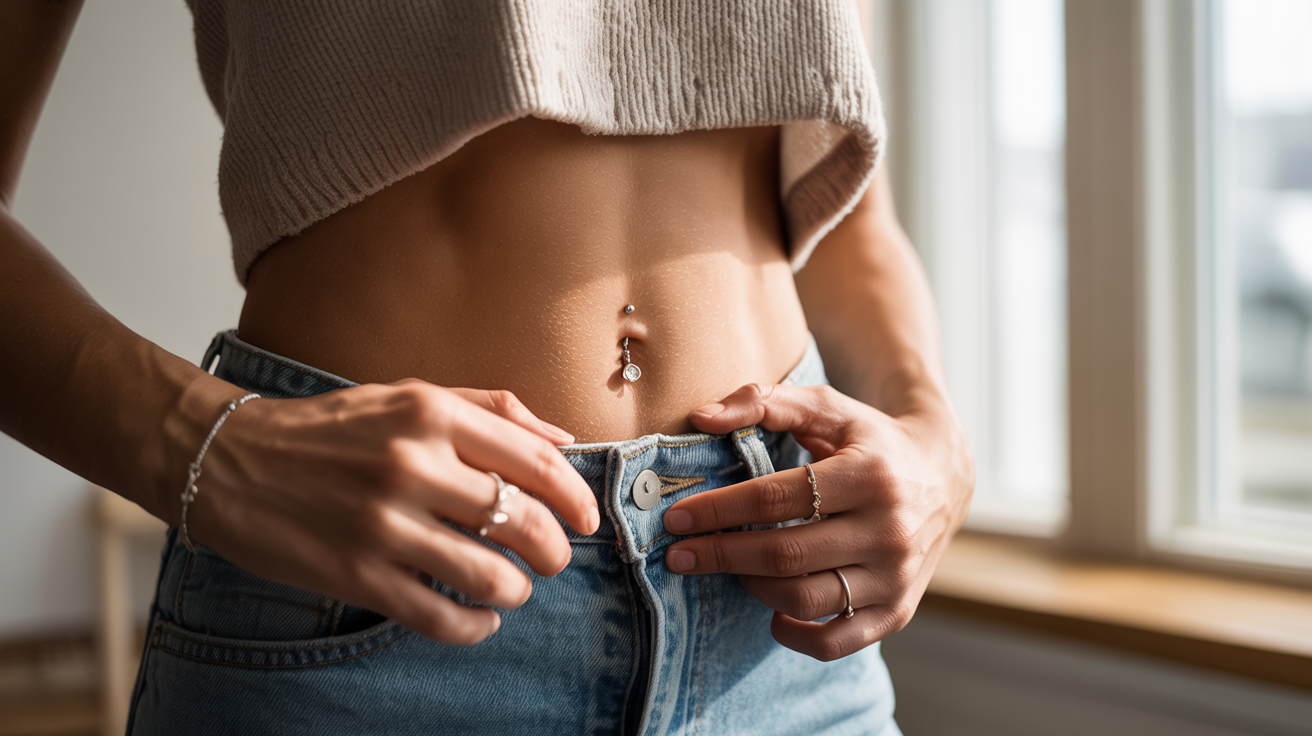
You’ve been eyeing that belly button piercing for weeks now, maybe months. You love the look, you’re ready for the commitment, but there’s one question keeping you up at night: how much is this actually going to hurt?
Let’s cut through the mystery. Belly button piercings typically rate around 4-5 out of 10 on the pain scale. Most people describe it as a quick, sharp pinch that lasts just a few seconds. But here’s what matters more: pain is incredibly personal, and what feels like a mild sting to one person might feel more intense to another.
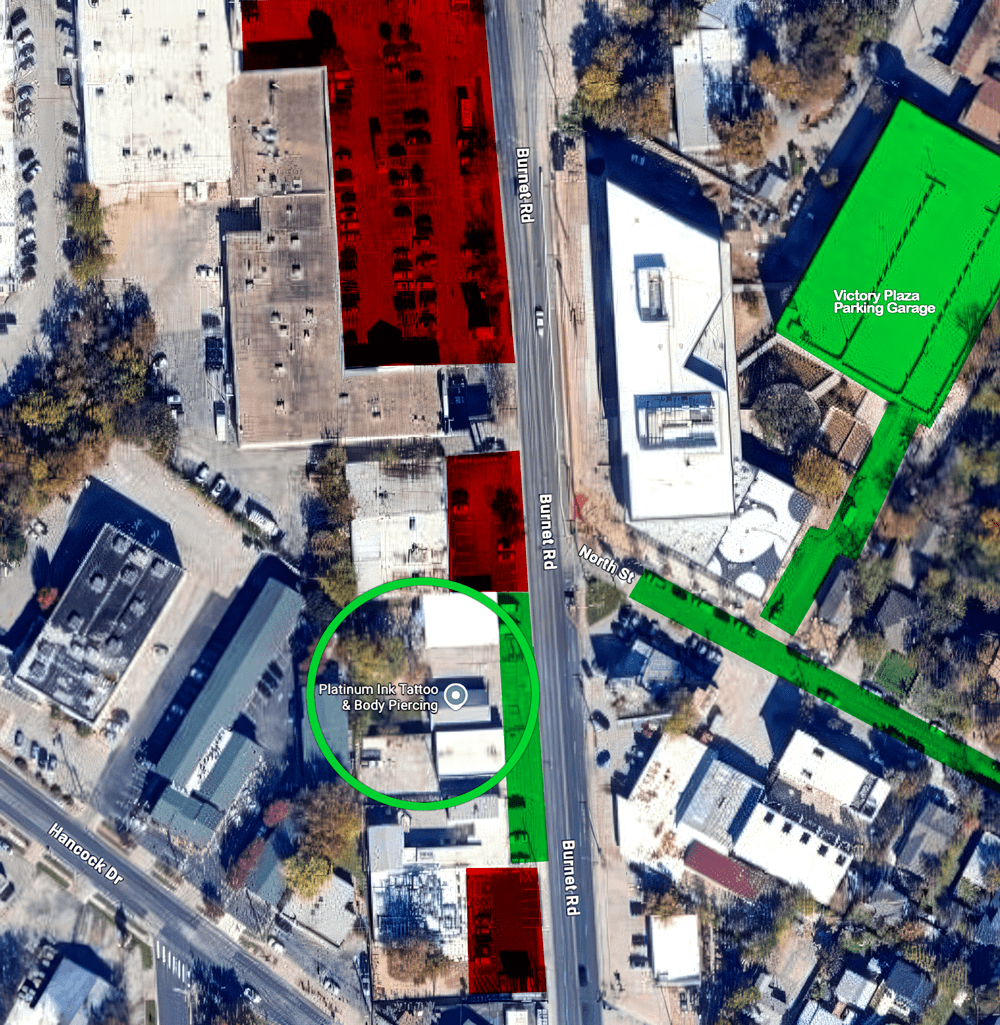
At Platinum Ink Tattoo & Body Piercing, we’ve guided many clients through this exact decision since 2002. We know the real questions you’re asking go deeper than just “does it hurt?” You want to know what to expect, how it compares to other piercings, and whether you can handle it. That’s exactly what we’re covering here.
What Does a Belly Button Piercing Actually Feel Like?
The sensation during the piercing itself is brief. Think of it as a strong, deep pinch through the skin around your navel. The entire process takes seconds, not minutes.
Here’s what happens: your piercer clamps the area to stabilize the tissue, then uses a hollow needle to create the piercing channel. You’ll feel pressure, then a quick sharp sensation as the needle passes through. Some describe it as a tug, others as a concentrated sting. The key detail? It’s over almost as soon as it begins.
After the needle comes the jewelry insertion, which usually feels like mild pressure rather than pain. Within moments, you’re done with the uncomfortable part.
The First Few Days Tell a Different Story
While the actual piercing is quick, expect some tenderness afterward. Your navel is right at your waistline, which means it moves every time you bend, sit, or twist. This constant motion can cause soreness, especially in the first 3-5 days.
You might notice:
- Mild throbbing or aching
- Sensitivity when your clothing rubs against it
- Some swelling or light bruising
- Tenderness when lying on your stomach
This isn’t anything alarming. It’s your body responding to a controlled wound. The discomfort during healing often gets more attention than the initial piercing because it lasts longer, but it’s manageable with proper care.
How Belly Button Piercings Compare to Other Piercings
Wondering where navel piercings rank compared to others you might have (or might consider)? Here’s a realistic breakdown:
| Piercing Type | Pain Rating | How It Compares |
| Earlobe | 2/10 | Quick pinch, barely noticeable |
| Helix | 5/10 | Sharp cartilage pressure, similar to navel |
| Belly Button | 5/10 | Strong pinch through fleshy tissue |
| Nostril | 6/10 | Sharp sting, often makes eyes water |
| Rook/Conch | 7/10 | Intense cartilage crunch, more painful |
| Nipple | 8/10 | Very sharp due to nerve density |
If you’ve had your earlobes pierced, expect your navel to feel more noticeable but still totally manageable. If you’ve handled a helix or nostril piercing, you already know what moderate pain feels like. A belly button piercing sits right in that same zone.
Recent feedback from clients in 2026 shows interesting variety. One person rated their navel piercing a 2 out of 10, calling it milder than their lobe piercings. Another found it their most uncomfortable piercing yet. Your anatomy and pain tolerance make all the difference.
If you’re exploring different body piercing options, talking with a professional about your specific concerns helps you make the right choice.
What Makes Some People Feel More Pain Than Others?
Not everyone experiences belly button piercings the same way. Several factors influence your personal pain level:
Your natural pain tolerance plays the biggest role. If you tend to be sensitive to discomfort, you might rate the experience higher than someone with a higher threshold. Anxiety also amplifies pain, so staying calm and breathing deeply during the procedure genuinely helps.
Your navel anatomy matters more than you’d think. Some people have deeper navels, others have shallower ones. Some have more tissue to pierce through, while others have less. If your anatomy isn’t ideal for a standard belly button piercing, your piercer might suggest alternative placements or styles to reduce discomfort and lower rejection risk.
The piercer’s skill level directly affects your experience. An experienced professional uses precise technique, appropriate needle size, and steady hands. This minimizes tissue trauma and keeps the process as smooth as possible. At Platinum Ink Tattoo & Body Piercing, our expert piercers evaluate your anatomy first and walk you through exactly what to expect based on your unique navel shape.
Initial jewelry fit influences ongoing comfort. Properly fitted curved barbells prevent tugging and irritation. If jewelry is too short, too long, or poor quality, you’ll feel more discomfort during healing. High-quality materials like implant-grade titanium reduce reactions and support better healing.
Movement and Clothing Create Most Healing Discomfort
Here’s something many people don’t realize until after: the healing phase causes more noticeable discomfort than the piercing itself. Your waist flexes constantly throughout the day. Tight pants, belts, and waistbands can rub against your new piercing. Getting snagged on clothing or bumping it accidentally hurts more than the initial needle.
This is normal. It doesn’t mean something’s wrong. It just means you need to protect the area while it heals.
Smart Strategies to Manage Discomfort
You can’t eliminate pain entirely, but you can definitely reduce it. Here’s what actually works:
During the piercing: Take slow, deep breaths. Sounds simple, but controlled breathing relaxes your body and lowers your perception of pain. Don’t hold your breath or tense up. Your piercer will guide you through the timing.
For healing comfort: Follow proper aftercare religiously. The Association of Professional Piercers recommends sterile saline wound wash spray (0.9% sodium chloride) for cleaning. Spray it on as needed, but don’t overdo it. Over-cleaning irritates the skin just as much as under-cleaning.
What to do:
- Wash your hands before touching the area
- Shower normally and let water rinse the piercing
- Wear loose, breathable clothing
- Dry gently with clean, disposable paper towels
- Use a hard, vented eye patch under tight clothing for protection
What to avoid:
- Rotating or twisting the jewelry
- Using alcohol, hydrogen peroxide, or antibiotic ointments
- Submerging in pools, hot tubs, or lakes
- Adding decorative charms during healing
- Sleeping on your stomach if it causes pressure
Tight waistbands are your enemy during healing. High-waisted jeans, fitted skirts, and belts can press against your navel and cause ongoing soreness. Stick with mid-rise or low-rise bottoms for the first few weeks.
If you notice persistent redness, unusual discharge, increasing pain, or anything that seems off, contact a professional immediately. Don’t wait and hope it improves on its own. Early intervention prevents bigger problems.
Current Trends Making Belly Button Piercings More Popular in 2026
Navel piercings are having a major moment right now. The classic ’90s-inspired look is back, but with fresh twists that appeal to people who want something unique.
One trending style is the “floating” navel piercing. Instead of the traditional curved barbell, this style features a decorative gem that appears to “float” above your belly button. It creates a minimalist, elegant look and works especially well for people with previous scarring or non-traditional navel anatomy.
Starr Ellis, a professional piercer, explained in 2026: “It’s a great option for a very unique, nontraditional navel piercing… The look of a simple, larger, or more elegant decorative end above the navel is definitely increasing in popularity.”
But here’s the catch: not every navel is suited for every style. Floating navels require specific anatomy to heal properly and look right. A standard piercing might work beautifully for one person but need adjustments for another. This is why professional evaluation matters so much.
When you visit one of the best piercing shops in Austin, you’re not just getting a needle through your skin. You’re getting an expert assessment of your anatomy, personalized jewelry recommendations, and guidance on which style will look best and heal most comfortably for your body.
Healing Takes Time, But It’s Worth It
Expect your navel piercing to take 6-12 months to fully heal. Some people see initial healing around 3-6 months, but complete internal healing takes longer. During this time, your body is building new tissue and strengthening the piercing channel.
This doesn’t mean 12 months of pain. The tenderness fades significantly within the first few weeks. You just need to continue proper care throughout the full healing period to avoid setbacks.
What Texas Law Requires for Safe Piercing
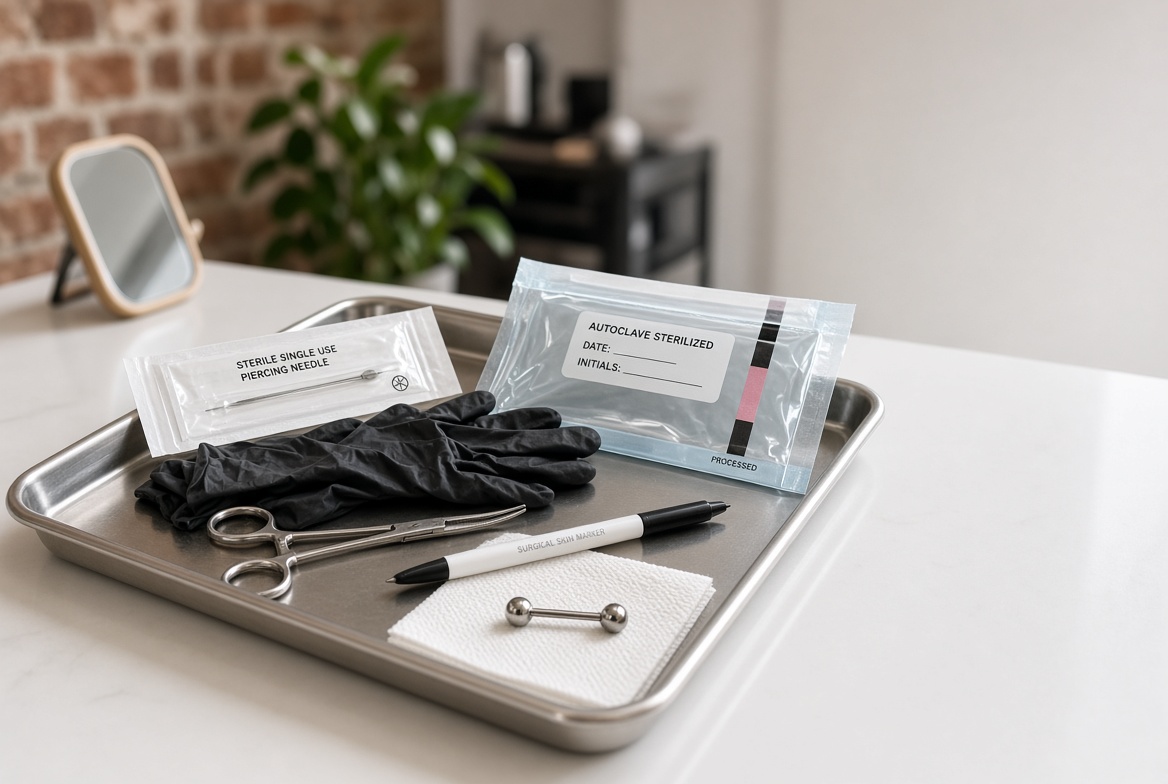
In Texas, body piercing studios must follow strict regulations to protect your health. Licensed facilities need non-porous surfaces, single-use sterile needles, and full bloodborne pathogen compliance. These aren’t optional guidelines; they’re legal requirements.
If you’re under 18, you’ll need parental or guardian consent to get pierced. No exceptions.
Platinum Ink Tattoo & Body Piercing has maintained these high standards since 2002, serving the Austin metro area with a commitment to safety, cleanliness, and professional technique. We don’t cut corners on hygiene or rush through procedures. Your health and comfort come first.
Frequently Asked Questions About Belly Button Piercing Pain
How bad does a belly button piercing hurt on a scale of 1 to 10? Most people rate it around 4-5 out of 10. It feels like a quick, sharp pinch lasting just seconds. Pain levels vary based on individual tolerance and anatomy.
Is a belly button piercing more painful than an earlobe piercing? Yes, typically. Earlobes usually rate around 2 out of 10, while belly button piercings are closer to 5. The navel has more tissue and is in a more mobile area.
Why does my belly button piercing hurt when I move? Your navel sits right at your waistline, which flexes constantly. Movement, clothing friction, and accidental bumps cause soreness during healing. This is normal and improves as you heal.
How long does the pain last after getting a belly button piercing? Initial tenderness lasts 3-5 days for most people. Mild sensitivity from movement can continue for weeks as you heal. Full healing takes 6-12 months.
What can I do to make a belly button piercing hurt less? Get pierced by an experienced professional using proper technique and quality jewelry. During the procedure, breathe deeply and stay relaxed. For healing, follow APP aftercare guidelines, wear loose clothing, and protect the area from trauma.
Are floating navel piercings more painful than regular ones? Pain levels are similar, but floating navels require specific anatomy. An unsuitable navel shape can cause complications. Always consult a professional piercer for an anatomy check before choosing this style.
Ready to Get Your Belly Button Pierced?
Now you know the truth: belly button piercings hurt, but not as much as you probably feared. The actual piercing is brief and manageable. The healing requires attention and care, but nothing you can’t handle with the right information and professional guidance.
Your anatomy is unique. What works perfectly for someone else might need adjustments for you. The only way to know for sure is to visit a licensed, experienced piercer who can evaluate your navel and recommend the best approach for your body.
At Platinum Ink Tattoo & Body Piercing, we’ve spent over two decades helping people in Austin make confident decisions about their body art. We’ll answer your specific questions, show you jewelry options, and give you honest feedback about what to expect based on your anatomy.
Stop wondering and start getting real answers. Visit Platinum Ink Tattoo & Body Piercing in Austin to discuss your belly button piercing with professionals who genuinely care about your comfort and results. We’re here to make this experience as smooth and pain-free as possible.