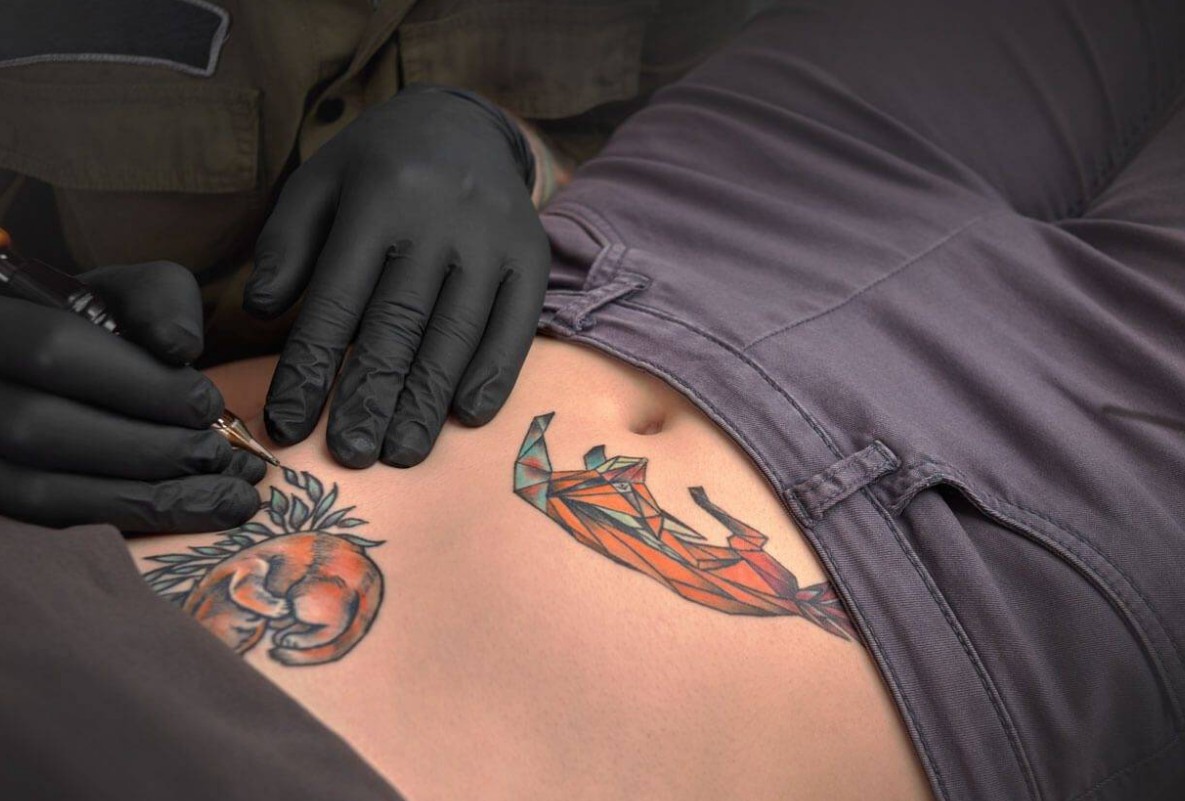
You just found out you’re pregnant, or maybe you’ve already delivered, and there’s a question sitting in the back of your mind: what’s going to happen to that beautiful stomach tattoo you’ve been showing off for years?
It’s a real concern, and nobody seems to talk about it honestly. Will it stretch beyond recognition? Will those lines stay crisp? Can you fix it if things change?
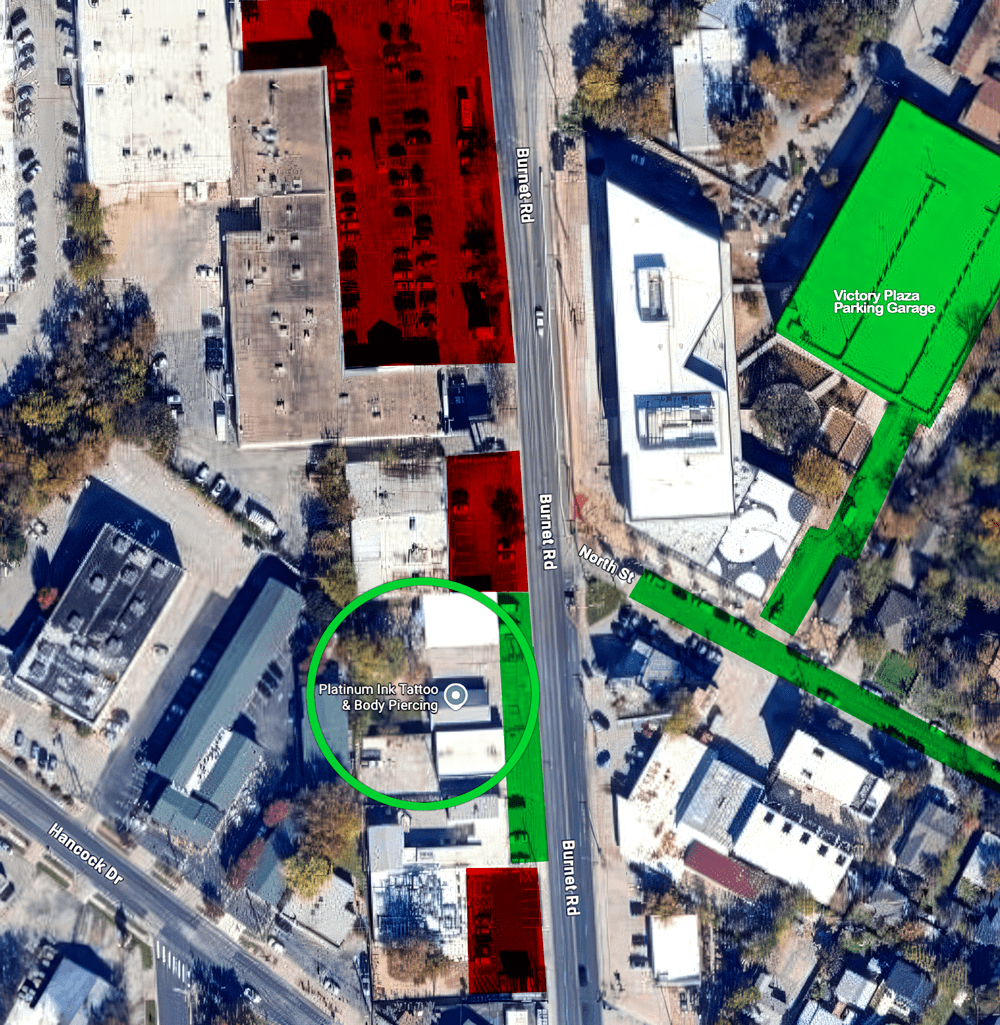
Here’s some info that might help. At Platinum Ink Tattoo & Body Piercing, we’ve worked with many clients in Austin who’ve walked through our doors with these exact questions. Your body goes through incredible changes during pregnancy, and your tattoo comes along for the ride.
Let’s break down what typically happens and what you can actually do about it.
How Pregnancy Actually Affects Your Stomach Ink
Your abdominal skin stretches significantly during pregnancy. That’s just biology doing its thing. When your skin expands, your tattoo expands with it.
What this means for your design:
- Lines can warp or become wavy
- Colors may fade or shift slightly
- The overall shape might distort temporarily
- Stretch marks can run directly through the ink
According to Dr. Keely Brown in a 2025 WebMD review:
“Pregnancy causes stretch marks [and] increased skin sensitivity. These changes can alter the appearance of existing tattoos, such as shifting the coloring or lines.”
But here’s something important to understand: not every tattoo gets ruined. Some people notice minimal changes, while others see significant alterations. It really depends on several factors that are unique to you.
Looking for professional guidance? A tattoo shop near me with experienced artists can evaluate your specific situation and explain realistic outcomes based on your skin type and tattoo placement.
What Determines How Much Your Tattoo Changes
Your body is unique, and so is how your tattoo responds to pregnancy. Several factors influence whether you’ll see minor shifts or major distortion.
Genetics play a huge role. If your mom or sisters developed stretch marks during pregnancy, you’re more likely to as well. Those marks can intersect your tattoo, causing permanent discoloration or shape changes.
Total weight gain matters too. More expansion generally means more stretching of the tattooed area. Where the tattoo sits on your stomach also affects the outcome—designs near your belly button typically experience more distortion than those placed higher or to the sides.
Your skin’s natural elasticity is another factor. Some skin bounces back better than others after pregnancy. Collagen structure changes during pregnancy, which can reduce elasticity and make ink settle unevenly as your belly contracts postpartum.
Tim Lease, a tattoo artist and Ink Master contestant, explains it this way in his 2025 blog:
“[Stretch marks] can run directly through your tattoo, distorting shape or causing discoloration.”
The reality? Many changes become permanent, especially if stretch marks form through the ink. But that doesn’t mean all hope is lost.
The Timeline: When Can You Actually Do Something About It
You’re probably wondering when you can get your tattoo touched up or restored. The short answer: not right away.
Wait 6-12 months after giving birth before considering any touch-up work. This isn’t arbitrary—your body needs this time to stabilize.
Here’s what happens during that waiting period:
- Your hormones gradually return to normal levels
- Your weight settles into a more stable pattern
- Your skin’s elasticity partially recovers
- Your immune system regains full strength
If you’re breastfeeding, extend that timeline until after you’ve weaned. While direct ink transfer risks remain low, waiting provides an extra layer of caution during the healing process and reduces potential complications.
Going in too early—say, within a few weeks or months—can create new problems. Your skin might still shift, distorting fresh touch-up work. Healing can be slower or less predictable when your body is still recovering from pregnancy.
According to research from medical sources reviewed in 2025, this 6-12 month window allows your body to reach a more stable state, reducing risks of poor healing, infection, or additional distortion.
Can Stretch Marks Actually Ruin Your Tattoo?
Let’s address this directly: stretch marks can affect your tattoo, but “ruin” is too strong a word.
Stretch marks are essentially scars where your skin stretched faster than collagen could keep up. When they form through tattooed skin, they can cause several changes:
- The ink may appear lighter or more faded in those areas
- Lines can become interrupted or wavy
- Colors might look uneven
- The texture of the skin changes, affecting how the tattoo sits
But here’s what many people don’t realize: stretch marks often become less noticeable over time. That angry red or purple color typically fades to a silvery white within a year or two. As they fade, the impact on your tattoo may become less obvious.
Some stretch marks might not affect your tattoo at all, depending on where they form. If they run parallel to your design rather than through it, the visual impact is usually minimal.
The good news? A skilled artist can often work with stretch marks, incorporating them into touch-up designs or using techniques to minimize their appearance. At Platinum Ink Tattoo & Body Piercing, we’ve helped many Austin clients navigate these exact situations with realistic solutions, including tattoos designed to cover stretch marks that turn a perceived flaw into part of the artwork.
What Your Touch-Up Options Look Like
Once your body has stabilized (remember, that 6-12 month mark), you have several paths forward.
Professional restoration is usually the first option people consider. Your original artist can assess the damage and determine what’s fixable. They might:
- Re-line distorted areas to restore crisp edges
- Add fresh color where fading occurred
- Adjust the design slightly to work with new contours
- Blend areas affected by stretch marks
Creative redesign is gaining popularity in 2025 and 2026. Instead of fighting the changes, some people embrace them. Artists can incorporate stretch marks into updated designs, add elements that work with your new body, or create something that celebrates motherhood alongside your original tattoo.
Partial cover-ups work when distortion is severe in certain areas. A skilled artist can extend or modify your design to minimize or hide the most affected sections.
Accepting the changes is always an option too. Your body tells a story, and postpartum changes are part of that narrative. Many people find their altered tattoos meaningful in ways they didn’t expect.
Whatever route feels right for you, consultation with professionals is essential—both your tattoo artist and potentially a dermatologist who can assess your skin’s elasticity and recovery.
Who You Need to Talk To (And When)
Don’t try to figure this out alone. Two professionals should be on your consultation list.
Your original tattoo artist comes first, ideally around that 6-month postpartum mark. They know your design, understand the original vision, and can provide realistic expectations about touch-up possibilities. They’ll evaluate line distortion, color fading, and whether your skin has stabilized enough for new work.
A dermatologist can assess your skin’s health, elasticity, and stretch mark severity. They’ll help you understand if your skin needs more recovery time or if certain treatments (like moisturization or other skincare) might support better outcomes.
At Platinum Ink Tattoo & Body Piercing in Austin, we encourage clients to come in for consultations even before they’re ready for touch-ups. Understanding your options early reduces anxiety and helps you plan.
Don’t rush this decision. Your body went through nine months of changes—giving it adequate recovery time isn’t just smart, it’s necessary for the best results.
Keeping Your Skin Healthy During and After Pregnancy
While you can’t prevent all pregnancy-related skin changes, you can support your skin’s health throughout the process.
Moisturize consistently. Well-hydrated skin has better elasticity and may minimize extreme stretching. Focus on tattoo areas but don’t obsess—genetics play a bigger role than any cream.
Gradual weight gain is healthier for both you and baby. Sudden, rapid expansion increases stretch mark likelihood. Follow your doctor’s guidance on healthy pregnancy weight gain.
Stay hydrated. Water supports skin elasticity from the inside out. It’s one of the simplest things you can control.
Avoid scratching. If your tattooed areas itch as your belly grows (which happens frequently), resist the urge to scratch aggressively. This can damage skin and potentially affect ink.
After delivery, give your skin time to contract naturally. Crash dieting or extreme exercise too soon can create additional stress on already-stretched skin.
There’s no magic formula to keep your tattoo pristine through pregnancy, but these basics support overall skin health and may reduce the severity of changes.
Real Expectations: The Good, The Challenging, and The In-Between
Let’s be straight about what you can realistically expect.
Some tattoos show minimal change. Maybe a slight fade, perhaps some minor line softening, but nothing that dramatically alters the design. These are the lucky outcomes, usually seen in people with excellent skin elasticity, moderate weight gain, and favorable genetics.
Many tattoos show moderate changes. Lines might warp somewhat, colors could lighten in areas, and stretch marks may intersect the design. These changes are visible but often fixable with professional touch-ups once your body stabilizes.
A smaller number experience significant distortion. Heavy stretch marking, severe skin stretching, or multiple pregnancies can dramatically alter tattoos. These situations often require more extensive restoration work, creative redesign, or acceptance of permanent changes.
Individual results vary widely. We’ve seen clients at Platinum Ink Tattoo & Body Piercing with nearly identical starting points who had completely different outcomes. There’s no reliable way to predict exactly how your specific tattoo will respond.
The key is setting realistic expectations early. Your tattoo might change, but change doesn’t automatically mean disaster. Many people find their postpartum tattoos meaningful in new ways, even if they look different.
Current Trends: How People Are Thinking About Postpartum Tattoos in 2025-2026
Something interesting is happening in the tattoo community right now. More people are embracing postpartum body changes rather than fighting them.
Celebratory postpartum tattoos are rising in popularity. Instead of only doing restoration work, many new parents are adding fresh designs that commemorate the birth experience—incorporating birth dates, baby symbols, or elements that work with changed body contours.
Designs that embrace stretch marks are gaining acceptance. Some artists specialize in creating artwork that uses stretch marks as part of the aesthetic rather than treating them as flaws to hide.
Social media platforms show increasingly varied real-life outcomes, which helps set realistic expectations. Seeing other people’s experiences—both the minimal changes and the significant ones—helps normalize the full range of possibilities.
The conversation has shifted from “how do I prevent this” to “how do I work with my new body.” That’s a healthier mindset for most people.
Ready to Assess Your Postpartum Tattoo?
Your stomach tattoo after pregnancy might look different, and that’s completely normal. Changes can range from barely noticeable to significant, depending on genetics, skin elasticity, weight gain, and pure chance.
The most important steps:
- Wait 6-12 months postpartum before considering touch-ups
- Consult professionals—both your original artist and possibly a dermatologist
- Set realistic expectations about what’s fixable and what might be permanent
- Consider all options, from restoration to creative redesign to acceptance
At Platinum Ink Tattoo & Body Piercing, we’ve been part of the Austin community since 2002, helping clients through all kinds of body changes and tattoo decisions. Whether you’re still pregnant and planning ahead or postpartum and ready to explore your options, professional guidance makes all the difference.
Your body tells a story. Sometimes that story includes pregnancy, and your tattoo becomes part of that narrative—whether it stays the same or changes along the way.
Questions People Ask About Stomach Tattoos and Pregnancy
Do all stomach tattoos get ruined after pregnancy?
No. Changes vary significantly from person to person. Some tattoos remain nearly unchanged, while others experience noticeable distortion. Factors like genetics, skin elasticity, weight gain, and stretch mark formation all influence the outcome. There’s no universal “ruin”—outcomes are highly individual.
How long after giving birth can I get my stomach tattoo touched up?
Generally 6-12 months postpartum. This allows your hormones to normalize, weight to stabilize, and skin elasticity to recover partially. If you’re breastfeeding, waiting until after weaning adds an extra layer of caution and reduces potential complications during healing.
Can stretch marks from pregnancy go through my existing tattoo?
Yes. Stretch marks can run directly through tattooed skin, potentially causing discoloration, shape distortion, or interruptions in the design. The severity depends on where the marks form and how many develop. Professional artists can often work with these changes during touch-ups.
Should I talk to my original tattoo artist or get a new one for postpartum touch-ups?
Your original artist is usually the best first consultation. They understand your design’s intent and can provide continuity in style. However, if they’re unavailable or you’ve moved, find an experienced artist who specializes in restoration work and understands postpartum skin changes.
Is there anything I can do during pregnancy to protect my stomach tattoo?
Keeping skin moisturized may help with elasticity, but genetics play the biggest role in stretch mark formation. Follow healthy pregnancy weight gain guidelines from your doctor. Beyond basic skin care, there’s no guaranteed way to prevent changes—focus on overall health rather than tattoo preservation.